
Walnuts • Cut size focused • Quote-ready specs • California sourcing

Bulk Diced Walnuts

Atlas Nut Supply, LLC supplies bulk diced (chopped) walnuts to manufacturers, brands, and distributors. We cooperate with multiple California suppliers to align the right cut size (mm or screen style), color target, defect limits, packaging, documentation, and delivery lane for your procurement.

Diced programs are commonly specified by target dimensions (e.g., 2–4 mm, 4–8 mm, 8–12 mm), acceptable fines, and oxidation expectations for shelf-life. If you dose into dough/batter, share your feeder type and target distribution.

Cut size mm / screen style Color light / amber targets Quality moisture / PV / FFA Docs COA + traceability
Format
Diced walnuts
Programs
U.S. + global export
Support
COA • traceability • docs

Request a quote Read applications Back to catalog

Fastest quoting: share target dice size (mm/inch or screen style), acceptable fines/breakage, color target (if important), packaging, annual volume/forecast, and destination (and port if export).
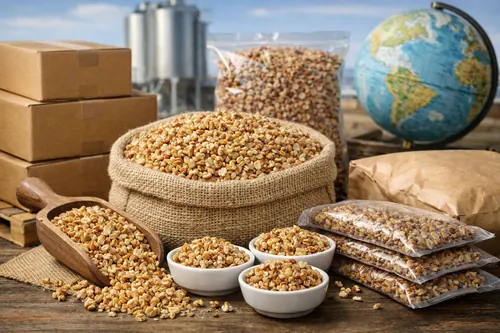
Bulk Diced Walnuts for wholesale supply — Atlas Nut Supply

Diced walnuts options

Common program variables (availability varies by season and supplier program):

  • Cut size/thickness targets (mm or screen style) and fines allowance for consistent dosing.
  • Color targets (light/amber ranges) for finished product appearance (bakery toppings, inclusions).
  • Moisture + oxidation expectations aligned to shelf-life and storage environment.
  • Foreign material / shell tolerance aligned to your QA and downstream process.
  • Packaging for automated dosing systems (liners, case count, pallet pattern, export container loading).
  • COA + traceability documentation available per supplier program.

If you currently buy “pieces,” “small pieces,” “medium pieces,” or “double diced/meal,” tell us that label and we’ll map it to a comparable program.

Industrial applications

Typical manufacturing and ingredient uses:

  • Bakery: muffin/cookie inclusions, toppings, fillings, streusel systems
  • Confectionery: bars, clusters, enrobing inclusions, praline-style builds
  • Cereal / granola: distribution-focused diced sizes to reduce segregation
  • Frozen desserts: inclusions for texture and flavor

For deeper application guides, see the Atlas Nut Academy.

Cut-size guide (industry reference)

“Diced” is often requested as mm ranges (e.g., 2–4 mm, 4–8 mm, 8–12 mm) or as screen-based size styles used in walnut trade. Availability and exact tolerances vary by supplier program—share your target and we’ll align the closest match.

Size style / request Typical description How buyers specify it (examples) Where it fits
Diced (mm-range) Custom chopped/diced kernels cut to a target range; fines controlled by tolerance. 2–4 mm • 4–8 mm • 8–12 mm • “max fines X%” Toppings, inclusions, coatings, mixes
Pieces / Small Pieces Kernel portions described via screen openings (round-hole screens commonly referenced in trade). Screen-based style (ask us to match your current spec sheet) General baking, granola, industrial ingredient use
Medium Pieces (common industry classification) Often described by screen pass-through / retain behavior (program dependent). Example screen guidance may include 32/64" (12.7 mm), 16/64" (6.35 mm), 8/64" (3.18 mm) Inclusions where a consistent “chunk” is desired
Meal / Double Diced Smallest form: from coarse meal to fine powder; used for dusting, dough/batter integration, compounds. “meal,” “double diced,” or grind/mesh language Batter systems, dusting, fillings, compounds

Tip: If you have screens or a sieve stack in-house, send your “% through” targets—this is often the fastest way to lock in a repeatable diced program.

Product specifications (typical ranges)

Specifications vary by supplier program, destination, and end use. The table below shows commonly requested ranges for diced walnut kernels. If you require specific methods (ISO/AOAC) or tighter limits, include them in your inquiry for quote-ready alignment.

Parameter Common buyer target Why it matters Notes
Cut size 2–4 mm • 4–8 mm • 8–12 mm (or screen-based) Texture, visual distribution, dosing consistency Define max fines/breakage % and any “overs” tolerance
Color Light / Light Amber / Amber ranges (as specified) Finished product appearance Color can shift with crop and storage; specify tolerance
Moisture Typically ≤ 4–5% Flowability, mold risk, crispness, shelf-life Lower moisture helps reduce clumping and spoilage risk
Free fatty acids (FFA) Often ≤ 1.0–1.5% Indicator of hydrolytic rancidity Important for long shelf-life and clean flavor
Peroxide value (PV) Often ≤ 1.5–5 meq/kg fat Indicator of oxidation Consider oxygen-control packaging if PV sensitivity is high
Aflatoxins Commonly specified (e.g., B1 and Total limits) Food safety / import compliance Limits depend on destination regulations and buyer program
Foreign material / shell Buyer-defined max Food safety, customer complaints, equipment protection State shell tolerance, metal detection needs, and rework policy
Micro (baseline) Buyer-defined limits; Salmonella typically required absent in specified sample QA release and downstream risk management Share your micro spec and sampling plan (n/c/m/M) if applicable

Want a “spec-matched” quote? Upload your specification sheet or paste your limits into the message field. Include cut size, fines, moisture, PV/FFA, micro, and pack format.

Specs checklist (quote-ready)

Send your spec sheet if you have one. Otherwise, start with the checklist below for faster alignment.

  • Product: Diced walnuts
  • Target cut size: mm/inch OR screen-style size (pieces/small/medium/double-diced)
  • Fines/breakage tolerance: acceptable fines % and overs %
  • Color target: light/amber preference and tolerance (if appearance is important)
  • Grade/defect limits: foreign material/shell tolerance; defect definitions
  • Moisture target: max moisture and any water activity limits (if used)
  • Oxidation expectations: PV/FFA limits, shelf-life target, and storage conditions
  • Micro requirements: Salmonella, APC/TPC, yeast/mold, E. coli/coliforms (as applicable)
  • Packaging: carton/bag format + liner needs; pallet pattern; MAP/N2 options (if required)
  • Volume: first order + forecast and delivery cadence
  • Destination: city/state/country (and port if export)
  • Delivery window: required ship/receipt dates
  • Documentation: COA, traceability/lot coding, country of origin, certifications if required

Share the end application (topping vs inclusion vs coating) and your line constraints (doser type, drop height, blending intensity). We’ll recommend a cut size and fines tolerance that holds up in production and transit.

Shelf-life note: Walnuts are oil-rich and oxidation-sensitive. Oxygen-control packaging (e.g., nitrogen-flushed MAP) may be useful for long hold times or warm lanes—tell us your storage temperature and time-to-use.

FAQ: Diced walnuts

What cut sizes are available for diced walnuts?

Programs vary by supplier. Common requests include 2–4 mm, 4–8 mm, and 8–12 mm, or screen-based size styles (pieces/small/medium/double-diced). Share your target size, acceptable fines, and end use so we can align the right program.

What specs do you need to quote bulk diced walnuts?

At minimum: target cut size (mm or screen style), acceptable fines/breakage, packaging, volume, destination, and timeline. If you have a spec sheet, share it; otherwise use the checklist above.

How do I choose the right diced size for bakery inclusions?

For toppings, slightly larger dices can improve visual impact; for inclusions in batter/dough, tighter size control can reduce segregation and improve bite consistency. Tell us your product (cookie, muffin, bar, granola) and we’ll recommend a cut size + fines tolerance.

Do you ship diced walnuts outside the United States?

Yes. We support export lanes depending on destination, volume, and required documentation. Share the country/port and timeline for planning.

Can you provide COA and traceability documentation?

Yes. COA and traceability documentation are available per supplier program. If you require certifications or specific limits/methods, note them in your inquiry.

How should diced walnuts be stored for best shelf-life?

Storage guidance depends on the exact program and packaging. In general, keep sealed, cool, and dry; protect from heat, humidity, and oxygen exposure. Avoid temperature swings that create condensation. Share your facility conditions and hold time and we’ll recommend best practices.