Almonds • Cut size focused • Quote-ready specs • California sourcing

Bulk Diced Almonds

Atlas Nut Supply, LLC supplies bulk diced almonds to manufacturers, brands, and distributors. We cooperate with multiple California supplier programs to align the right cut size distribution, fines allowance, quality targets (moisture/oxidation), packaging, documentation, and delivery lane for your procurement.

Diced programs are typically specified by mm/inch cut size plus acceptable fines/breakage. For consistent dosing and finished-product appearance, many buyers also set moisture and oxidation limits.

Format
Diced almonds
Programs
U.S. + global export
Support
COA • traceability • docs

Request a quote Read applications Back to catalog

Fastest quoting: share target dice size (mm/inch), a distribution expectation (if you have it), max fines/breakage, blanched vs natural, roasted vs raw (if applicable), packaging, and destination (and port if export).

Food-safety note: almonds in U.S. channels are commonly supplied under validated treatment programs meeting Salmonella reduction requirements (program dependent). If you require “pasteurized” labeling or a specific log-reduction program, include it in your inquiry.
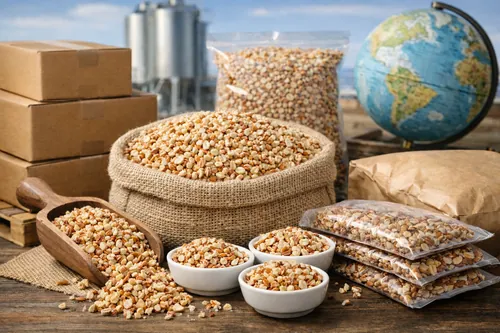
Bulk Diced Almonds for wholesale supply — Atlas Nut Supply

Diced almonds options

Common program variables (availability varies by season and supplier program):

  • Cut size distribution (mm/inch) + fines allowance for your dosing system
  • Natural (skin-on) or blanched (skin-off) presentation (program dependent)
  • Raw or roasted (light/medium roast programs may be available for confectionery & bakery)
  • Moisture + oxidation targets aligned to shelf-life and flavor stability
  • Bulk packaging for automated dosing systems and pallet constraints
  • COA + traceability documentation available per program

If your line is sensitive to dust, specify a tighter fines limit. If your product is shelf-stable, specify peroxide value / free fatty acids limits to support rancidity control.

Industrial applications

Typical manufacturing and ingredient uses:

  • Bakery toppings and inclusions (cookies, muffins, breads)
  • Confectionery bars, clusters, and coatings
  • Cereal / granola mixes and snack blends
  • Frozen desserts, inclusions, and texture systems

For deeper application guides, see the Atlas Nut Academy.

Common diced almond cut sizes

Many suppliers specify diced almonds by a target size band (mm) and a distribution tolerance. Common market sizes include 2–4 mm and larger diced formats up to 8–12 mm (program dependent).

Cut size (example) Typical use How to specify for quotes
2–4 mm Fine inclusions for cookies, chocolates, coatings; even distribution in mixes Target band + max fines; optionally % within band if your line is sensitive
3–5 mm Bakery inclusions and toppings where a slightly larger bite is desired Target band + max oversize and max fines
5–6 mm Premium toppings, clusters, textured inclusions Target band + max breakage during transit/handling
8–12 mm Large diced presentations for toppings and premium mixes Target band + appearance expectations (chip/scratch, discoloration limits)

If you already buy diced almonds, send your current spec sheet (or a photo of the label) and we can match it to a California program.

Typical product specifications (reference targets)

Specs vary by supplier program (raw vs roasted, blanched vs natural, organic vs conventional). The tables below show commonly requested parameters and example targets seen in market spec sheets. Confirm your exact requirements in your inquiry.

Physical / presentation (examples)
Parameter Common spec approach Notes
Ingredient 100% almonds Allergen: tree nuts (almonds). Cross-contact statements are program dependent.
Cut size mm band (e.g., 2–4 mm) Often specified as a distribution (e.g., % in band) + max fines/oversize.
Fines / dust Max % (buyer-defined) Important for dosing systems and packaging appearance.
Type Natural (skin-on) or blanched (skin-off) Blanched gives lighter color and cleaner appearance in finished goods.
Roast Raw or roasted (program dependent) Roasted programs may include additional limits on oxidation and moisture for crispness.
Chemical / mycotoxin (examples)
Parameter Example target Why it matters
Moisture Often ≤3–6% (program dependent) Lower moisture improves flowability and reduces clumping; target depends on format and packaging.
Water activity (optional) Often ≤0.65 (program dependent) Supports shelf stability and helps control microbial growth risk (within a broader safety system).
Free fatty acids (FFA) Often ≤1.0–1.5% (program dependent) Indicator for hydrolytic rancidity and fat quality.
Peroxide value (PV) Often ≤2–6 meq/kg (program dependent) Indicator for oxidation; tighter targets may be used for long shelf-life products.
Aflatoxin total Often limited (example targets 10–20 ppb depending on program/market) Mycotoxin control requirement may vary by destination and buyer spec.
Microbiological (examples)
Parameter Common requirement Notes
Salmonella Negative (typically tested per program) Many buyers request validated treatment options; specify your micro targets and destination requirements.
APC / TPC Max cfu/g (buyer-defined) Targets vary by application and whether the product is roasted or raw.
Yeast & mold Max cfu/g (buyer-defined) Important for bakery and long shelf-life products.
Coliforms / E. coli Low/negative targets (buyer-defined) Often specified for ready-to-eat applications.

Want a “specs-first” quote? Send your spec sheet (or list the parameters you care about most: cut size distribution, fines, moisture max, PV/FFA limits, micro targets, and packaging).

Packaging & logistics

Common packaging approaches (availability varies by program):

  • Bulk bags/cartons for manufacturing lines; palletized for LTL/FTL
  • Vacuum packaging options where available to help manage oxidation and reduce aroma transfer
  • Export readiness: container loading plans, lane scheduling, and documentation support (program dependent)

If you need a specific pack format (e.g., vacuum) or pallet pattern, include it with your volume and destination.

Storage & shelf-life handling

Nuts are sensitive to heat, oxygen, and strong odors. Good storage practices protect flavor and texture.

  • Keep sealed when not in use; minimize oxygen exposure
  • Store cool and dry; avoid temperature swings that can cause condensation
  • Keep away from strong odors (nuts can absorb aromas)
  • For longer holds, discuss oxidation limits and packaging with your buyer spec

Tell us your target shelf life and storage conditions, and we’ll recommend practical packaging and quality targets for your application.

Specs checklist (quote-ready)

Send your spec sheet if you have one. Otherwise, start with the checklist below for faster alignment.

  • Product: Diced almonds
  • Type: natural (skin-on) or blanched (skin-off); raw or roasted (if applicable)
  • Target cut size: mm/inch + any distribution expectation (if known)
  • Fines/breakage: maximum allowable % (important for automated dosing)
  • Grade/defect limits (as applicable: discoloration, foreign material tolerance, chip/scratch)
  • Moisture target and oxidation/rancidity expectations (PV/FFA limits; shelf-life targets)
  • Micro requirements (Salmonella, APC/TPC, yeast/mold, coliforms/E. coli as applicable)
  • Pasteurization / treatment program (if required; note any labeling needs)
  • Packaging: bags/cartons/vacuum options (if required) + pallet constraints
  • Volume: first order + forecast and delivery cadence
  • Destination: city/state/country (and port if export)
  • Delivery window: required ship/receipt dates
  • Documentation: COA, traceability/COO, certifications if required

Share the end application and processing details and we’ll help confirm the best diced almonds spec targets for performance, appearance, and shelf-life.

FAQ: Diced almonds

What cut sizes are available for diced almonds?

Common diced programs are specified in millimeters (e.g., 2–4 mm, 3–5 mm, 5–6 mm, and larger diced sizes depending on supplier and end use). Share your target size, acceptable fines/breakage, and whether you need blanched or natural so we can match the right program.

How do I specify cut-size distribution (and fines) for quoting?

Specify: (1) target dice size band (mm/inch), (2) max fines/breakage %, and (3) any distribution requirement (e.g., % in band, max oversize). This helps align performance in automated dosing and finished-product appearance.

Blanched vs natural diced almonds — which should I buy?

Blanched (skin-off) diced almonds are typically chosen for lighter color and a cleaner appearance in bakery and confectionery. Natural (skin-on) may be preferred for darker, more rustic visuals or specific formulations. Tell us your end product and we’ll recommend the better match.

Can you supply pasteurized almonds for specific micro targets?

Yes. Share your microbiological targets and preferred treatment/pasteurization program so we can align an appropriate supply option. If you require “pasteurized” labeling, note that in your request.

Do you ship diced almonds outside the United States?

Yes. We support export lanes depending on destination, volume, and required documentation. Share the country/port and timeline for planning.

Can you provide COA and traceability documentation?

Yes. COA and traceability documentation are available per supplier program. If you require certifications, allergen statements, or country-of-origin documents, note them in your inquiry.

How should diced almonds be stored for best shelf-life?

Storage guidance depends on the exact program and packaging. In general, keep sealed, cool, and dry; protect from heat, strong odors, and oxygen exposure. If you’re holding product for extended periods, specify oxidation limits (PV/FFA) and discuss packaging options (including vacuum where available).